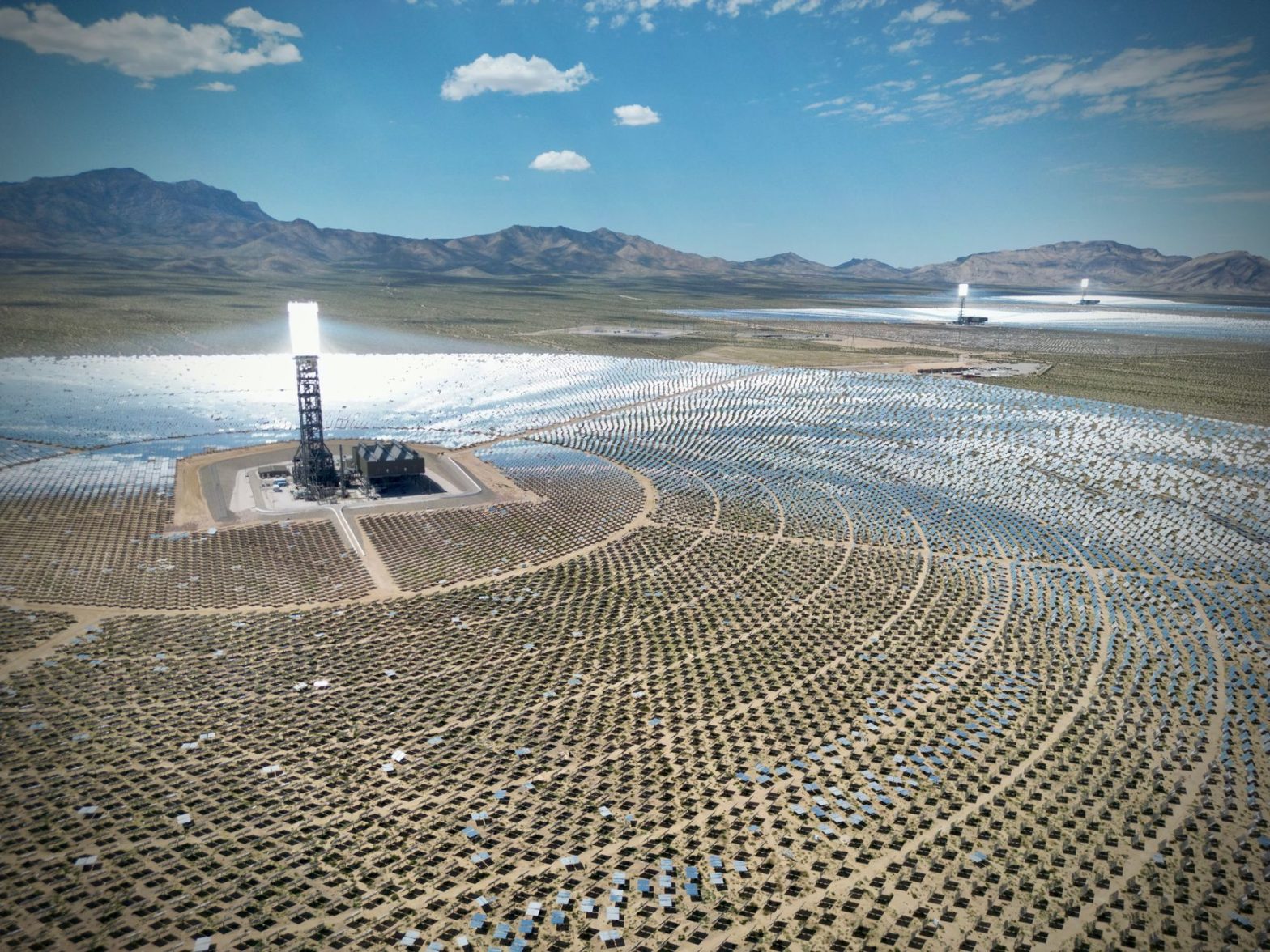
A single photon striking a solar panel carries a tiny packet of energy, and it takes only a fraction of a second for that energy to begin its trip toward the lamp on your desk. What happens in between is a chain of predictable physical steps, none of them mysterious once you follow the path from the roof down to the wall socket. This article traces that journey stage by stage.
Catching the Light
Everything starts on the surface of the panel. A solar module is a grid of photovoltaic cells, most commonly made from silicon that has been treated so that it behaves as a semiconductor. When sunlight lands on the cell, some of that light is reflected, some passes through, and some is absorbed. It is the absorbed portion that matters.
Each absorbed photon can knock an electron loose from its place in the silicon. On its own, a loose electron would simply settle back down. The cell is built to prevent that. Manufacturers layer the silicon so that one side carries a slight positive tendency and the other a slight negative one, creating a built-in electric field across the junction. That field acts like a one-way gate, pushing freed electrons in a single direction rather than letting them drift randomly.
The brighter and more direct the sunlight, the more electrons are freed at once. This is why panel orientation and shading matter so much across a region: a roof that catches strong midday sun will free far more electrons than one shaded by a tall neighbor or an overhanging branch.
Turning Sun to Current
Once electrons are moving in one direction, you have direct current, or DC. Every cell in a panel contributes its small push, and the cells are wired together so those pushes add up into a usable voltage. String several panels together and the voltage climbs further. At this point the roof is producing real electrical power, but not yet the kind your home can use.
Household appliances, lights, and outlets in most of the country run on alternating current, or AC, where the flow reverses direction many times each second. The device that resolves this mismatch is the inverter. It takes the steady DC coming off the array and rapidly switches its direction to produce a smooth AC waveform that matches the frequency and voltage of the grid. A well-designed system like Solnr also uses the inverter to track how much power the array is generating and to shut things down safely when the grid goes offline for maintenance.
Modern inverters do more than flip DC to AC. They constantly adjust to find the point where the panels deliver the most power for the light available, a process called maximum power point tracking. On a partly cloudy afternoon, when brightness shifts minute to minute, that constant adjustment is what keeps output as high as conditions allow.
Reaching Your Outlets
From the inverter, the AC electricity travels to your main service panel, the same box that distributes power from the utility. Here the solar supply simply joins the household circuits. When your home is drawing power, it uses the solar electricity first, right at the moment it is generated.
If the panels are producing more than the house needs at that instant, the surplus flows outward through the meter and onto the grid. In many areas this earns a credit that offsets the electricity you pull back at night or on cloudy days. If the house needs more than the panels supply, the difference comes in from the utility automatically. The switching between these states happens without any action on your part.
So the electron freed on your roof a moment ago may power your refrigerator directly, or it may travel out to a neighbor’s home while a credit lands on your account. Either way, the physical path is the same: absorbed light, freed electrons, direct current, conversion to alternating current, and distribution through the panel to your outlets.
If you want to see how this would play out on your own roof, the practical next step is to have someone measure your sun exposure and daily usage, since those two numbers determine how much of the journey ends at your sockets rather than the grid.